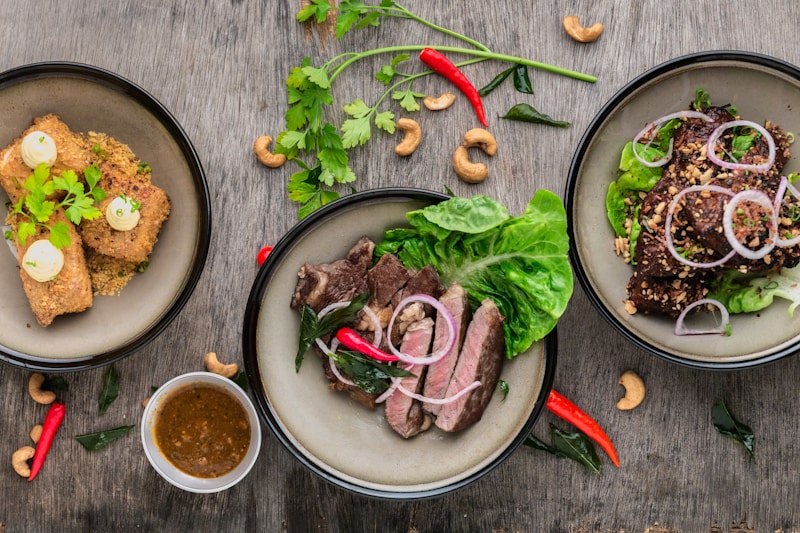
Turkey is an important player in the global food market with its rich agricultural resources and deep-rooted culinary culture. In this article, we will examine the position of Turkish food products in international markets, their export potential and success strategies.
Turkey Food Sector General Overview
Sector Size
- Food processing sector: ~$75 billion
- Food exports: ~$25 billion
- Export growth: 10-15% annually
- Global ranking: Top 20 food exporters
Featured Export Categories
| Category | Export Value | Share |
|---|---|---|
| Grains and flour products | $6 billion | 25% |
| Fruits and vegetables | $5.5 billion | 22% |
| Hazelnuts and dried nuts | $3.5 billion | 14% |
| Dairy products | $1.5 billion | 6% |
| Meat and meat products | $1 billion | 4% |
| Confectionery | $2 billion | 8% |
| Other | $5.5 billion | 21% |
Featured Export Products
1. Hazelnuts
Turkey supplies 70% of world hazelnut production.
Export Statistics:
- Annual export: ~700,000 tons
- Value: ~$2.5 billion
- Main markets: EU (Germany, Italy), USA
Product Varieties:
- In-shell hazelnuts
- Hazelnut kernels
- Roasted hazelnuts
- Hazelnut paste
2. Apricots
World leader in dried apricot production.
Characteristics:
- Malatya apricot (geographical indication)
- 85% of world production
- Premium quality
Target Markets:
- EU, USA, Japan, Gulf
3. Figs
Aegean figs are a globally recognized brand.
Advantages:
- Natural drying
- High quality
- Long shelf life
4. Flour and Flour Products
Turkey’s Position:
- World pasta export 2nd place
- Significant biscuit export volume
- Among leading flour exporters
Export Markets:
- Iraq, Syria, Africa
- Middle East
- Central Asia
5. Olive Oil
Production and Export:
- Annual production: ~200,000 tons
- Export: ~100,000 tons
- Quality: Extra virgin olive oil focused
Markets:
- USA, Japan, EU
- Premium segment potential
6. Dairy Products
Potential Products:
- White cheese
- Kashkaval cheese
- Butter
- Ayran
Target Markets:
- Middle East (halal market)
- European diaspora
- US ethnic market
Target Market Analysis
Middle East and Gulf
Advantages:
- Geographical proximity
- Cultural similarity
- Halal certification advantage
- Rising demand
Challenges:
- Price competition
- Logistics infrastructure
- Payment risks
Product Recommendations:
- Dairy products
- Confectionery
- Ready foods
- Beverages
European Union
Advantages:
- Customs Union (industrial products)
- Diaspora population
- Premium market
- High quality demand
Challenges:
- Agricultural product quotas
- Strict standards
- Intense competition
Product Recommendations:
- Dried fruits
- Organic products
- Premium olive oil
- Ethnic foods
North America
Advantages:
- Large consumer market
- Ethnic diversity
- Premium segment
- E-commerce potential
Challenges:
- FDA requirements
- Logistics cost
- Strong competition
Product Recommendations:
- Hazelnuts and hazelnut products
- Olive oil
- Organic products
- Turkish delight and baklava
Africa
Advantages:
- Rapid population growth
- Food gap
- Price advantage
- Less competition
Challenges:
- Payment security
- Logistics challenges
- Infrastructure gaps
Product Recommendations:
- Flour and grains
- Pasta
- Sugar
- Vegetable oils
Regulations in Food Export
Basic Requirements
1. Food Safety Certificates
- ISO 22000
- FSSC 22000
- BRC Food
- IFS Food
2. Halal Certification
- MUI (Indonesia)
- JAKIM (Malaysia)
- GCC Halal standard
- Turkey Halal Accreditation
3. Organic Certification
- EU Organic
- USDA Organic
- JAS (Japan)
Country-Specific Requirements
EU Export:
- Health certificate
- Traceability
- Labeling rules
- Allergen notification
USA Export:
- FDA registration
- FSVP (Foreign Supplier Verification Program)
- Labeling (Nutrition Facts)
- FSMA compliance
Gulf Countries:
- Halal certificate
- GSO standard
- Arabic labeling
- Declaration documents
Success Strategies
1. Quality-Focused Approach
Critical Elements:
- Consistent quality
- Food safety
- Hygiene standards
- Product analysis
Investment Areas:
- Laboratory infrastructure
- Staff training
- Quality management system
- Supplier audit
2. Brand Building
Strategy Options:
- Private label
- Own brand
- Co-branding
- Origin brand (Made in Turkey)
3. Digital Transformation
E-commerce Channels:
- Amazon (FBA)
- Alibaba
- Country-based marketplaces
- D2C website
Digital Marketing:
- Social media
- Content marketing
- Influencer collaborations
- Online fairs
Conclusion
The Turkish food sector has a strong position in world markets with its rich product range, quality production capacity and strategic location. Turkish food products’ global success will continue to increase with the right strategy, quality-focused approach and market fit.
As Gökçe Trade, we provide supply chain solutions and market access support for your food exports. We are with you in bringing Turkish food products, especially dairy products, to international markets.
Contact us for food export.