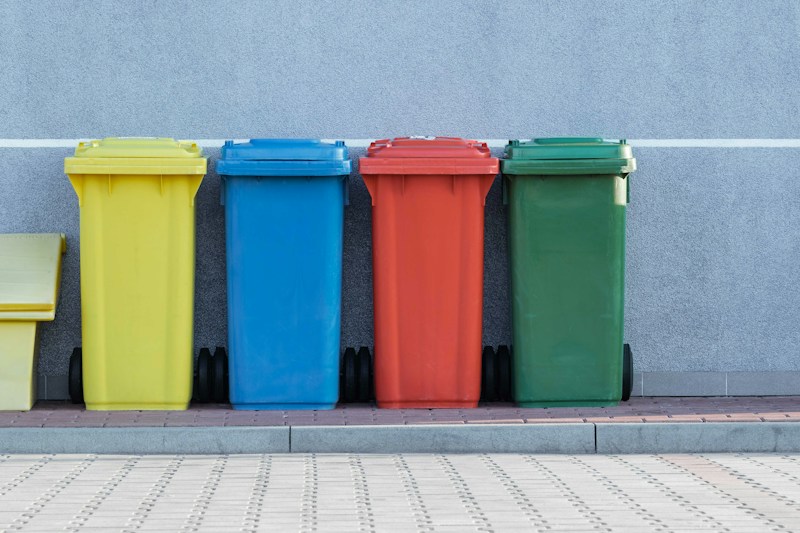
The plastic recycling industry is growing rapidly with increasing sustainability demand and regulatory pressure. In this article, we will examine the current state, trends and opportunities of the industry as of 2025.
Industry Overview
Global Market Size
- 2024 Market Value: ~$55 billion
- 2030 Forecast: ~$90 billion
- Annual Growth (CAGR): 8-10%
Recycling Rates
| Region | Recycling Rate |
|---|---|
| EU | 35-40% |
| USA | 8-10% |
| China | 25-30% |
| Turkey | 20-25% |
| Global Average | ~20% |
Recycling by Plastic Type
| Plastic Type | Symbol | Recycling Ease |
|---|---|---|
| PET | 1 | Very easy |
| HDPE | 2 | Easy |
| PVC | 3 | Difficult |
| LDPE | 4 | Medium |
| PP | 5 | Medium |
| PS | 6 | Difficult |
| Other | 7 | Variable |
Important Trends
1. Circular Economy Investments
The circular economy model is transforming the plastics industry.
Core Principles:
- Recycling consideration in design
- Waste minimization
- Preservation of material value
- Closed-loop systems
Investment Areas:
- Recycling facilities
- Material sorting technologies
- Product design R&D
- Reverse logistics systems
2. Advanced Recycling Technologies
Mechanical Recycling (Traditional):
- Shredding, washing, granule production
- Effective for PET and HDPE
- Quality loss issue
- Downcycling risk
Chemical Recycling (Next Generation):
- Pyrolysis
- Glycolysis
- Solvolysis
- Molecular level decomposition
Advantages:
- Virgin quality output
- Mixed plastic processing
- Food-grade production capability
- Infinite recycling cycles
3. EPR (Extended Producer Responsibility)
Producers taking responsibility at end of product lifecycle.
EU EPR Requirements:
- Packaging collection responsibility
- Recycling targets
- Eco-design obligations
- Financial contribution
4. Recycled Content Requirements
EU Targets (2030):
- 30% recycled content in PET bottles
- Minimum rate in all plastic packaging
Brand Commitments:
- Coca-Cola: 50% rPET target
- Nestlé: 50% recycled packaging
- Unilever: 25% PCR (Post-Consumer Recycled)
5. Digitalization and Traceability
Technologies:
- Blockchain-based traceability
- Digital watermark
- AI-based sorting
- IoT sensors
Benefits:
- Source verification
- Quality assurance
- Certification ease
- Transparency
Market Opportunities
PET Recycling
Market Status:
- Most mature recycling market
- Bottle-to-bottle technology
- High demand
- Premium prices
Turkey Advantages:
- Strong collection infrastructure
- Competitive labor
- Proximity to Europe
- Investment incentives
Product Options:
- PET Flake (clear, colored)
- rPET Granule
- Food-grade rPET
HDPE/PP Recycling
Growing Demand:
- Packaging industry
- Construction materials
- Automotive parts
Challenges:
- Color and odor problems
- Quality consistency
- Contamination risks
Textile Recycling
Polyester (PET) Textile:
- Post-consumer textile
- Production waste
- Fiber to fiber recycling
Growth Factors:
- Fast fashion impact
- EU textile strategy
- Brand sustainability goals
Regulatory Environment
EU Regulations
Single-Use Plastics Directive:
- Ban in 10 product groups
- Consumption reduction targets
- Marking requirements
Packaging and Packaging Waste Regulation (PPWR):
- Increased recycling targets
- Reuse requirements
- Design requirements
Carbon Border Adjustment Mechanism (CBAM):
- Carbon pricing on imports
- Recycling advantage
Investment and Business Models
Recycling Facility Investment
Capacity Options:
- Small scale: 5,000-10,000 tons/year
- Medium scale: 20,000-50,000 tons/year
- Large scale: 100,000+ tons/year
Investment Requirements:
- Land and building
- Machinery equipment
- Environmental permits
- Working capital
Raw Material Sourcing Models
Collection Channels:
- Municipalities
- Supermarkets
- Industrial waste generators
- Import
Sourcing Challenges:
- Quality variability
- Price fluctuation
- Seasonality
- Competition
Export Opportunities
Target Markets:
- EU countries (high demand)
- Asia (manufacturing centers)
- Middle East (growing market)
Product Specifications:
- Purity rate
- Moisture content
- Color specification
- Lot consistency
Quality and Certification
Important Standards
EuCertPlast:
- European recycling certificate
- Quality management system
- Traceability
- Environmental compliance
RecyClass:
- Packaging recyclability
- Design evaluation
- Industry guidance
Global Recycled Standard (GRS):
- Textile focused
- Recycled content verification
- Social and environmental criteria
Quality Parameters
PET Flake Specifications:
- PVC content: <50 ppm
- Moisture: <1%
- Density: 0.8-0.9 g/cm³
- Color: Clear, blue, green, mixed
Conclusion
The plastic recycling industry will continue its strong growth trend in 2025 and beyond. Sustainability demands, regulatory pressures and brand commitments will continue to drive the industry.
As Gökçe Trade, we offer recycled material solutions in plastic raw material supply. We serve you with our global supply network for PET flake, PC regrind and other recycled plastic raw materials.
Contact us for your plastic raw material needs.