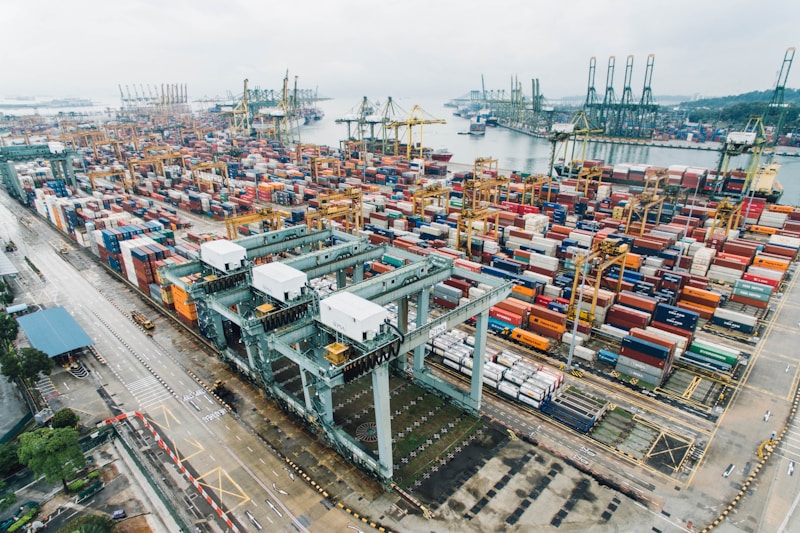
Import is the process of procuring raw materials, intermediate goods or final products from abroad that businesses need. In this guide, we will examine all stages of the import process in detail.
Pre-Import Preparation
Company Requirements
To be able to import, your company must have the following characteristics:
- Trade Registry registration
- Tax payer status
- Import activity specified in articles of association
Product Research
About the product you want to import:
- Determine the HS (Harmonized System) code
- Check the import regime (free, subject to permit, prohibited)
- Learn customs duty rates
- Research additional financial obligations
Finding and Evaluating Suppliers
Supplier Sources
- International trade fairs
- B2B platforms (Alibaba, Made-in-China, etc.)
- Chambers of commerce and attachés
- Sectoral associations
Supplier Evaluation Criteria
- Production Capacity: Ability to meet your demands
- Quality Standards: Certification and documents
- Price Competition: Market comparison
- References: Existing customer satisfaction
- Communication: Response time and professionalism
Supplier Verification
- Request company registration documents
- Make factory visits
- Request samples
- Use third-party inspection services
Order and Contract Stage
Order Process
- Proforma Invoice Request: Price and conditions
- Sample Approval: Quality control
- Order Confirmation: Purchase Order (PO)
- Payment Arrangement: Determining payment method
- Production Tracking: Progress monitoring
Contract Elements
Requirements in international sales contract:
- Full identification information of parties
- Product description and technical specifications
- Quantity and unit price
- Delivery terms (Incoterms)
- Payment conditions
- Quality standards
- Dispute resolution mechanism
Payment Methods
Secure Payment Options
1. Letter of Credit
- Most secure method
- Bank guarantee
- Document-based payment
2. Documents Against Payment (D/P)
- Payment against documents
- Less costly than LC
3. Advance Payment
- Secure for supplier
- Carries risk for importer
4. Open Account
- With trusted suppliers
- Risk assessment important
Logistics and Transportation
Transport Modes
Sea Freight:
- Economical for large volumes
- FCL (Full Container) or LCL (Partial)
Air Freight:
- For urgent orders
- Valuable and light products
Road Transport:
- Preferred for imports from Europe
- Fast and flexible
Freight Quote
- Get quotes from multiple companies
- Compare transit times
- Ask about additional costs
- Evaluate insurance options
Customs Procedures
Customs Broker Selection
Advantages of working with professional customs broker:
- Regulatory knowledge
- Fast processing
- Risk minimization
- Cost optimization
Customs Process
- Customs Declaration: Preparation of declaration
- Document Control: Verification of documents
- Tax Calculation: Customs duty, VAT, excise tax
- Inspection: Physical or document control
- Release: Release of goods
Import Taxes
- Customs Duty: Varies by HS code
- VAT: Generally 20%
- Excise Tax: Applies to certain products
- Additional Financial Obligations: For protection purposes
Quality Control
Control Types
- Pre-Production Control: Raw material quality
- During Production Control: Process control
- Pre-Shipment Inspection (PSI): Final control
- Container Loading Control: Loading supervision
Third Party Inspection Companies
- SGS
- Bureau Veritas
- Intertek
- TÜV
Risk Management
Possible Risks
- Quality Risk: Not meeting expected standards
- Delivery Risk: Delay or damage
- Payment Risk: Fraud
- Currency Risk: Exchange rate fluctuations
- Legal Risk: Regulatory non-compliance
Risk Mitigation Strategies
- Conduct supplier research
- Get sample approval
- Prepare contract
- Use payment guarantee
- Get insurance
Conclusion
Successful import operation requires careful planning and professional execution. As Gökçe Trade, we are with you at all stages of your import processes from finding suppliers to customs clearance.
Contact us for your import needs.