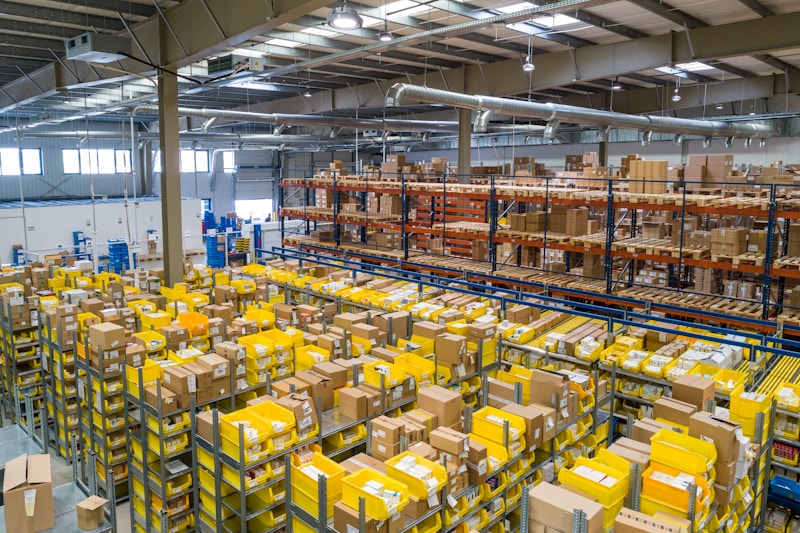
Starting to export can be a daunting process for businesses. However, with the right planning and strategies, you can successfully enter international markets. In this guide, we will explain all the steps you need to take to start exporting.
Why Export?
Export Advantages
- Market Expansion: Access to larger customer base
- Revenue Increase: Foreign currency income
- Risk Distribution: Reduced dependency on domestic market
- Competitiveness: Technological and quality development
- Incentives: Government supports and tax advantages
Export Readiness
Before starting to export, consider these questions:
- Is our product competitive in international markets?
- Do we have sufficient production capacity?
- What are our financial resources?
- Do we have qualified staff?
- Do we know which markets to target?
Legal Requirements
Company Formation
To make exports, your company needs:
- Trade Registry registration
- Tax registration certificate
- Articles of association specifying export activities
- If necessary, sector-specific permits
Required Permits and Certificates
Depending on your product group:
- TSE certificates
- CE marking
- ISO standards
- Organic certificates
- Halal certificates
Market Research
Target Market Selection
Factors to consider when selecting a market:
Economic Indicators
- GDP and per capita income
- Import statistics
- Growth trends
Market Conditions
- Competition level
- Entry barriers
- Distribution channels
Cultural Factors
- Consumer behaviors
- Language barrier
- Business culture
Information Sources
- TÜİK (Turkish Statistical Institute)
- Trade Chambers
- Commercial Attachés
- Sector associations
- B2B platforms
Product Preparation
Product Adaptation
Changes that may be required for international markets:
- Packaging: Compliant with local regulations
- Labeling: In target market language
- Standards: Local certifications
- Sizing: System differences (metric/imperial)
HS Code Determination
The HS (Harmonized System) code determines:
- Custom duties
- Tax obligations
- Required documents
- Incentive opportunities
Finding Customers
Finding Buyers
Online Channels:
- Alibaba
- Global Sources
- Kompass
- Made-in-Turkey
Traditional Methods:
- Trade fairs
- Commercial attachés
- Sector associations
- Reference networks
Trade Fair Participation
Fair advantages:
- Direct contact with buyers
- Competitor analysis
- Market trends
- Brand promotion
Pricing
Cost Analysis
Include in your export price:
Factory Cost
+ Export Packaging
+ Domestic Transport
+ Insurance
+ Customs Procedures
+ Agent Commissions
+ Finance Costs
= FOB Price
Pricing Strategies
- Cost-Plus Pricing: Cost + profit margin
- Market Pricing: According to competitive environment
- Value Pricing: According to perceived value
Export Documents
Basic Documents
- Commercial Invoice: Transaction details
- Packing List: Package contents
- Certificate of Origin: Product origin
- Bill of Lading: Transport document
- Insurance Certificate: Cargo insurance
Special Documents
- Phytosanitary Certificate (for agricultural products)
- Health Certificate (for food products)
- Analysis Certificate (for chemicals)
- EUR.1 Movement Certificate
Payment Methods
Secure Payment Options
| Method | Risk Level | Usage |
|---|---|---|
| Letter of Credit | Very Low | High-value transactions |
| D/P (Documents Against Payment) | Medium | Existing relationships |
| Advance Payment | No Risk | New customers |
| Open Account | High | Long-term relationships |
Recommendations
- Prefer LC for first transactions
- Use credit insurance
- Check country risk
Logistics and Shipping
Transport Mode Selection
Sea Freight:
- Economical for large volumes
- Long transit time
- Ideal for bulk cargo
Air Freight:
- Fast delivery
- High cost
- Suitable for valuable products
Road Transport:
- Flexible
- Especially for Europe
- Door-to-door delivery
Incoterms Selection
Common incoterms:
- FOB: Risk transfers at port
- CIF: Includes insurance and freight
- DAP: Delivery at destination
Government Supports
Incentives
- Eximbank Credits: Low-interest financing
- Fair Support: Participation cost support
- Market Entry Support: Research costs
- Branding Support: Brand promotion
- KOSGEB Supports: SME assistance
How to Apply
- Applications through Electronic State Support Payment System (E-DFÖ)
- Apply to relevant exporters’ associations
- Benefit from Eximbank products
Common Mistakes
Frequent Errors
- Inadequate Research: Not knowing the target market
- Wrong Pricing: Calculating too low or high
- Document Deficiencies: Incorrect or missing documents
- Language Barrier: Insufficient communication
- Quality Problems: Products not meeting expectations
Recommendations
- Invest in market research
- Use professional customs brokers
- Communicate in English or target market language
- Get product certificates
Conclusion
Export is a journey that requires patience and meticulous work. With the right preparation, support, and strategy, you can achieve sustainable success in international markets. As Gökçe Trade, we provide professional support at every stage of your export journey.
Contact us to start your export journey.